From The Nook
Drawing the Friend Nobody Else Can See
Your child's imaginary friend has a name, a hiding spot, and rules of its own, and with a little listening, that world can live in a book.
Originally published by Our Little Book
Somewhere in your house there may be a creature you've never seen. It might live behind the dryer, or in the hollow under the stairs, or in the pile of leaves your child won't let anyone rake. It has a name, probably an odd one. It has opinions. It may not like soup.
Children build these worlds without asking permission, and they furnish them with a seriousness that's easy to miss from the outside. If you've ever been told you were sitting on someone, you already know. This post is about taking that world as seriously as they do, and keeping it, maybe in a book of its own.
Listen Like a Visitor, Not a Reporter
The first step is the gentlest one: pay attention. You don't need to sit your child down with a notebook. In fact, that tends to make the world shy. The details come out sideways, in the car, in the bath, while you're both pulling on boots for a walk through wet leaves.
When they mention the friend, ask the kind of question a curious guest would ask. Where does Bramble sleep when it's cold? What does she eat on Tuesdays? Does she like the dark, now that it comes so early? Then let the answer be whatever it is, even if it contradicts last week's answer. Sometimes the best response is just a nod, and the story keeps going on its own. Invented worlds are allowed to be a little slippery. Your job is to notice, not to fact check.
Later, jot down what you heard. A note on your phone is plenty. Over a week or two you'll find you have a surprising amount: a name, a voice, a favorite hiding spot, one strange habit that makes you laugh every time you reread it.
Let Them Be the Expert
In this one area, your child knows more than anyone alive. They're the only person who has actually met the creature, so treat them that way. If you're making a book, they're your consultant on everything that matters: the color of the fur, how many legs, whether the tail curls left or right.
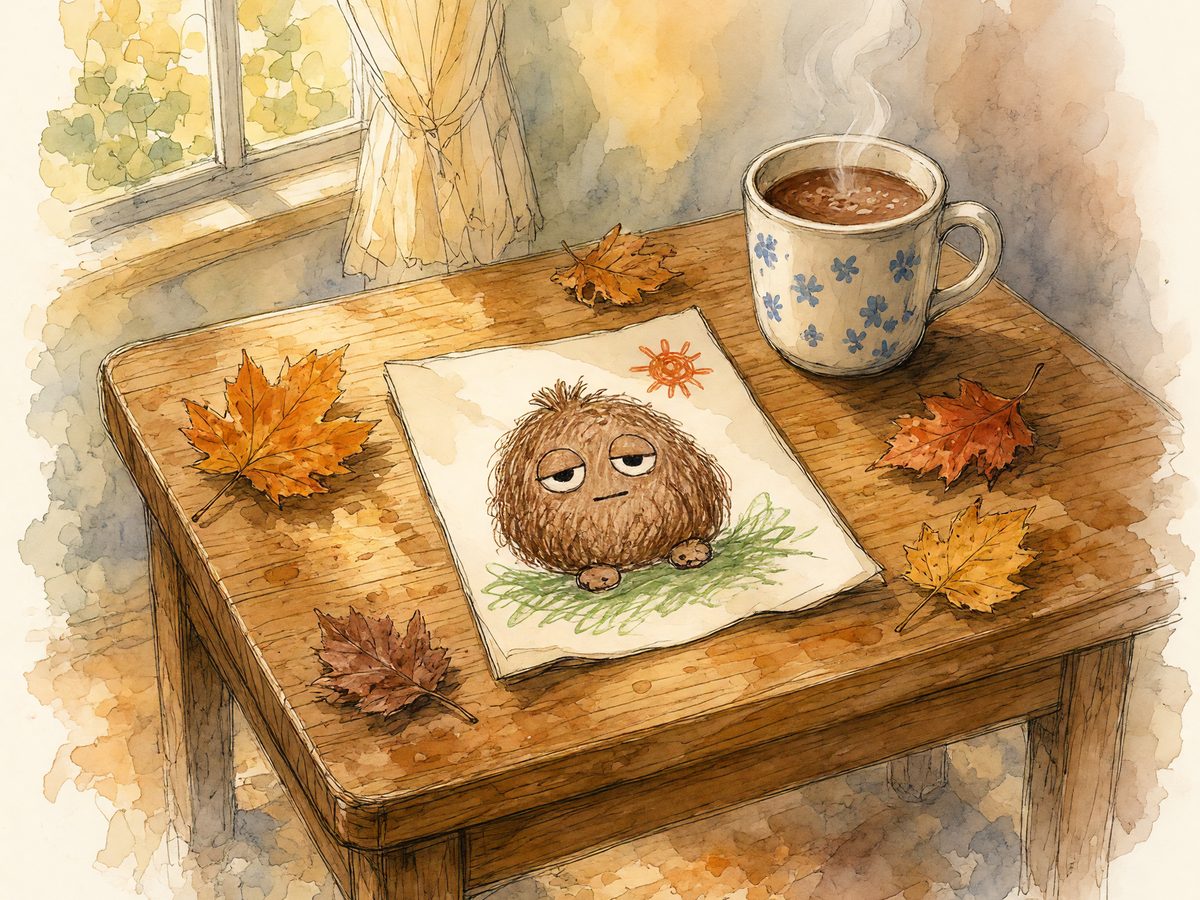
This is where the character art becomes a quiet little ceremony. Before any story is written, you get to see the characters drawn and approve them, and there's real pleasure in showing a sketch to the one person who can say whether it's right. Maybe the ears are too pointy. Maybe the eyes should be sleepier. Let them say so. Changing it because they asked is a small way of saying the world is theirs.
Some children won't want to describe the friend at all, and that's fine too. You can make a book that keeps a little mystery, where the creature is only glimpsed: a tail around a corner, two eyes in the dark of the closet, footprints across a frosty window. Some worlds are meant to be half hidden, and the book can be, too. Respecting what they keep private is part of honoring it.
Write Down the Rules Exactly as They Are
Every invented world has rules, and children hold to them fiercely. You can't step on the cracks because that's where the river is. The blue cushion is safe. Bramble is only allowed in the kitchen if she wipes her feet. These rules can seem random, but they're the architecture of the whole thing. Leave them out and the world feels flat.
When you gather material for a book, give the rules as much attention as the characters. Here's a short list of what's worth writing down:
- ❖The name, spelled the way your child insists, even if it changes.
- ❖Where the world begins: the hallway rug, the gap behind the couch, the leaf pile.
- ❖What's forbidden and what's safe, and who decided.
- ❖How you get in and out, whether it's a password, a hop, or a door only they can see.
- ❖Who else lives there, including the troublemakers.
- ❖One thing the creature is afraid of, and one thing it loves.
Notice that none of this asks you to improve on the world. Resist the urge to tidy it up or make it more logical. If dragons in your child's world are the size of teacups and only eat crackers, that's the world. A good book keeps the strange parts strange. The odd details are often the ones you'll treasure most later.
Small Adventures, Told Short
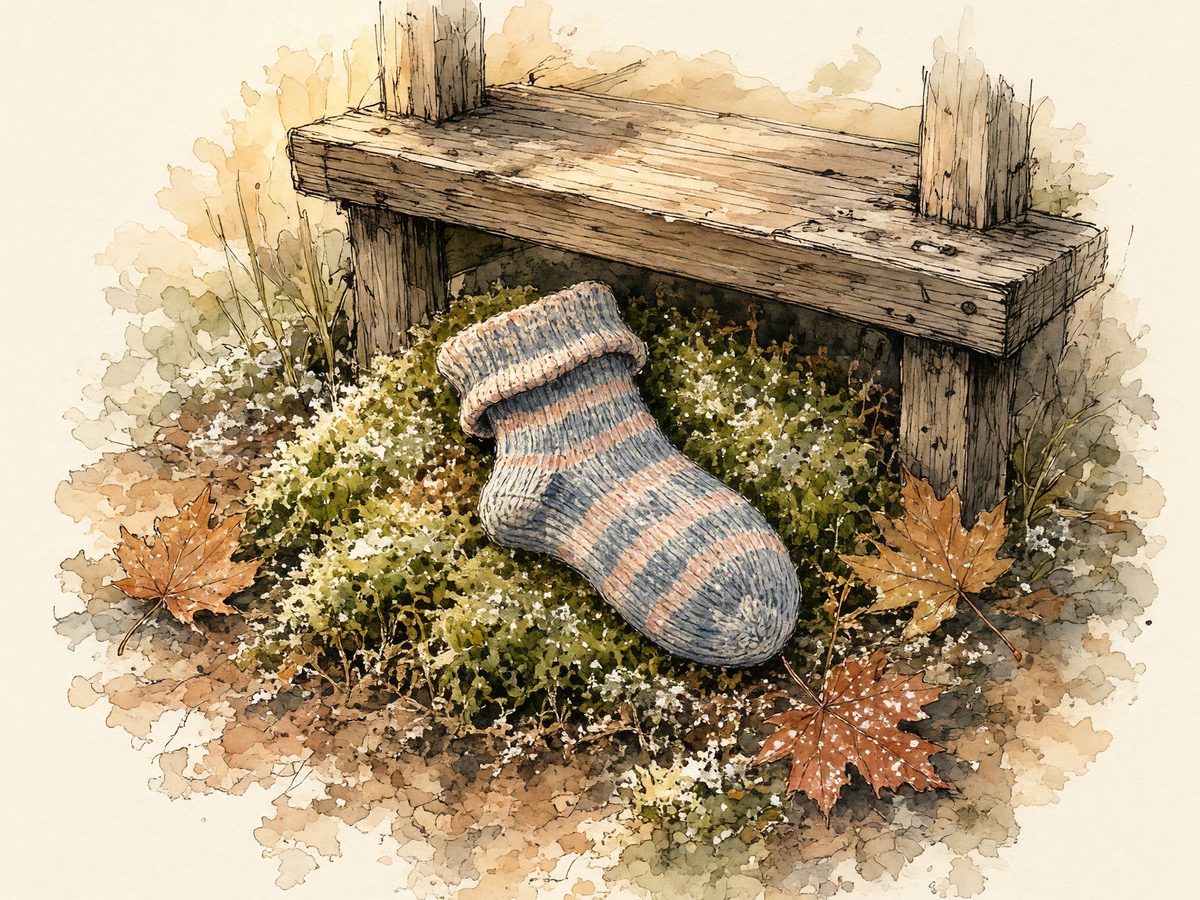
It's tempting to turn an imaginary friend into an epic: a quest, a villain, a kingdom in danger. Those stories can be fun, but the heart of an invented world usually lives in smaller places. Bramble helping carry groceries. The creature under the porch getting caught in the first frost and needing a sock for a blanket. The friend who hates haircuts sitting very still in solidarity. The smallness is the point. These are the moments your child actually plays out, over and over, on the living room floor.
A keepsake book of short illustrated stories suits this beautifully. Each story can be one ordinary afternoon in the world, with your child in it, alongside the friend, and maybe a sibling or the family dog wandering in. You can see how the pages come together in a sample book and imagine your own small cast inside one.
If you'd like to shape every scene yourself, the hands-on way lets you build the characters and write and edit each page until it sounds like the stories your child tells. If you'd rather hand it over, you can simply tell us who it's for and describe the world, and we'll write and illustrate it for you. You can read more about both on our how it works page.
A World That's Allowed to Change
Invented worlds don't stay still. The friend who was everywhere in spring might visit less by winter. A new creature moves in. The rules shift. Someday, without announcement, the whole place may simply go quiet, and you'll realize you haven't heard the name in weeks.
That's not something to dread or rush. It's just how these worlds move. But it does mean that the version your child is living in right now, this October, with its particular names and its particular rules, won't come around again in quite this shape. A book is a way of saying: we saw it, and we wrote it down. It doesn't need to be grand. It just needs to be theirs.
Some places are only ever visited by one person. It's a kindness to draw them a map.
Years from now, your child might open those pages and remember the blue cushion, or the river in the sidewalk cracks, or the sound of their own voice explaining why Bramble couldn't come to the dentist. They might laugh. They might not remember at all, and enjoy meeting their younger self's friend for the first time. Either way, the world is kept.
Once you've finalized the book, it's yours to download and keep. Read it on a screen at bedtime, print it at home, or take the file to a print shop you like, in whatever format suits you.
So this week, listen a little more closely. Ask where the friend goes when it rains. Notice what makes them light up when they talk about it. Write down the answer. When you're ready to give that world a book of its own, you can start here, at whatever pace feels right.